
Understanding Telehealth for Chronic Disease Management
- Natashia P. Bates
- Jan 25
- 4 min read

Updated: Jan 28
Telehealth has emerged as a transformative approach to healthcare, particularly for managing chronic diseases. With the rise of technology and the increasing need for accessible healthcare solutions, telehealth offers patients a way to receive care from the comfort of their homes. This blog post will explore the various aspects of telehealth, its benefits, challenges, and practical applications in chronic disease management.
What is Telehealth?
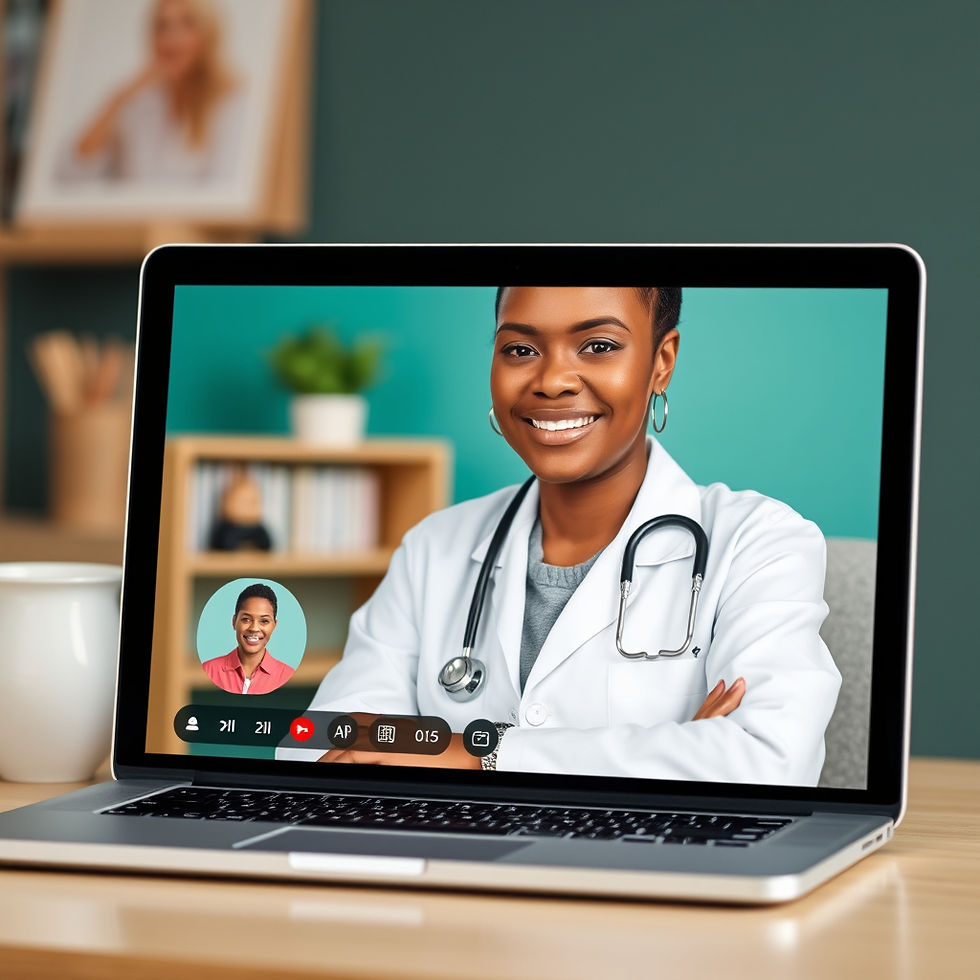
Telehealth refers to the use of digital information and communication technologies to access healthcare services remotely. This can include video conferencing, mobile apps, remote monitoring devices, and more. Telehealth is not just about virtual visits; it encompasses a wide range of services aimed at improving patient care and outcomes.
Key Components of Telehealth
Remote Consultations: Patients can meet with healthcare providers via video calls, allowing for real-time discussions about symptoms, treatment options, and follow-up care.
Remote Patient Monitoring: Devices that track vital signs, glucose levels, or other health metrics can send data directly to healthcare providers, enabling proactive management of chronic conditions.
Health Education and Support: Telehealth platforms often provide educational resources and support groups, helping patients understand their conditions and connect with others facing similar challenges.
The Importance of Telehealth in Chronic Disease Management
Chronic diseases such as diabetes, hypertension, and heart disease require ongoing management and regular check-ups. Telehealth plays a crucial role in this process by offering several advantages:
Enhanced Accessibility
For many patients, especially those in rural or underserved areas, accessing healthcare can be a challenge. Telehealth eliminates geographical barriers, allowing patients to connect with specialists without the need for travel. This is particularly beneficial for individuals with mobility issues or those who require frequent visits to healthcare providers.
Improved Patient Engagement
Telehealth encourages patients to take an active role in their healthcare. With easy access to their medical records, educational materials, and direct communication with healthcare providers, patients are more likely to engage in their treatment plans. This increased involvement can lead to better health outcomes.
Cost-Effectiveness
Telehealth can reduce healthcare costs for both patients and providers. Patients save on travel expenses and time off work, while healthcare systems can lower overhead costs associated with in-person visits. Additionally, early intervention through telehealth can prevent costly hospitalizations.
Challenges of Telehealth
While telehealth offers numerous benefits, it is not without its challenges. Understanding these obstacles is essential for both patients and healthcare providers.
Technology Barriers
Not all patients have access to the necessary technology or internet connectivity required for telehealth services. This digital divide can disproportionately affect older adults and low-income individuals, limiting their access to care.
Privacy and Security Concerns
With the increase in digital health data, ensuring patient privacy and security is paramount. Healthcare providers must comply with regulations like HIPAA to protect sensitive patient information during telehealth consultations.
Limited Physical Examination
While telehealth allows for effective communication, it may not replace the need for in-person examinations in certain situations. Healthcare providers may miss critical physical signs that can only be assessed through direct observation.
Practical Applications of Telehealth in Chronic Disease Management
Telehealth can be applied in various ways to manage chronic diseases effectively. Here are some specific examples:
Diabetes Management
Patients with diabetes can benefit from telehealth through remote monitoring of blood glucose levels. Devices can transmit data to healthcare providers, who can adjust treatment plans based on real-time information. Additionally, virtual consultations can help patients learn about diet, exercise, and medication management.
Hypertension Monitoring
Telehealth can facilitate regular blood pressure monitoring for patients with hypertension. Patients can use home monitoring devices that send readings to their healthcare providers, allowing for timely adjustments to medications and lifestyle recommendations.
Mental Health Support
Chronic diseases often come with mental health challenges. Telehealth provides a platform for patients to access therapy and counseling services, helping them cope with the emotional aspects of managing a chronic condition.
The Future of Telehealth
As technology continues to evolve, the future of telehealth looks promising. Innovations such as artificial intelligence, machine learning, and wearable devices are set to enhance telehealth services further. These advancements can lead to more personalized care, improved patient outcomes, and greater efficiency in healthcare delivery.
Integration with Traditional Healthcare
The future of telehealth will likely involve a hybrid model that combines in-person visits with virtual care. This approach can provide patients with the best of both worlds, ensuring they receive comprehensive care tailored to their needs.
Policy and Regulation Changes
As telehealth becomes more mainstream, policymakers will need to address regulatory challenges and reimbursement issues. Ensuring that telehealth services are covered by insurance and that providers are adequately compensated will be crucial for its long-term success.
Conclusion
Telehealth is revolutionizing chronic disease management by providing accessible, cost-effective, and patient-centered care. While challenges remain, the benefits of telehealth are undeniable. As technology continues to advance, it is essential for patients and healthcare providers to embrace these changes, ensuring that chronic disease management becomes more efficient and effective.
By leveraging telehealth, patients can take control of their health, engage more actively in their treatment plans, and ultimately improve their quality of life. The future of healthcare is here, and it is more connected than ever.


Comments